12
6月
6月
この記事では、従来のプラスチックに代わる環境に優しい選択肢として、PLA(ポリラクチド酸)製のバイオデグレーション・ランチボックスの人気の上昇について議論しています。PLAの利点、使用上の考慮事項、再生可能資源から作られたPLAの環境への影響についても触れ、持続可能なライフスタイルを目指す消費者に洞察を提供します。

この記事では、従来のプラスチックに代わる環境に優しい選択肢として、PLA(ポリラクチド酸)製のバイオデグレーション・ランチボックスの人気の上昇について議論しています。PLAの利点、使用上の考慮事項、再生可能資源から作られたPLAの環境への影響についても触れ、持続可能なライフスタイルを目指す消費者に洞察を提供します。
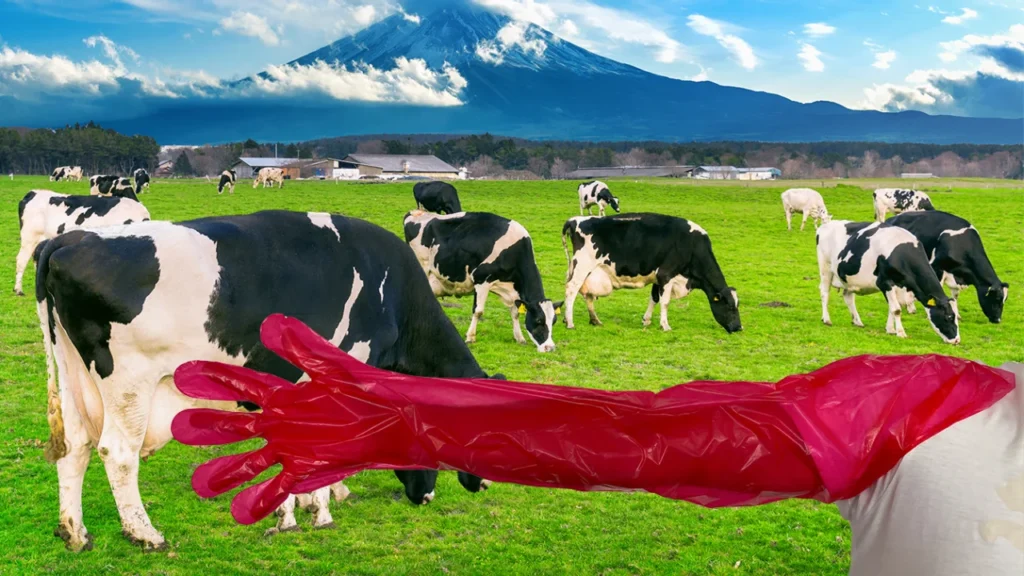
When it comes to veterinary care, the right tools can make all the difference. One of the most essential yet often overlooked tools in a veterinarian’s arsenal is the glove. Specifically, veterinarian gloves and insemination gloves play a crucial role in ensuring the safety and effectiveness of various procedures. Whether you’re a seasoned vet or just starting in the field, understanding the nuances of these gloves can significantly enhance your practice. Let’s dive into everything you need to know about veterinarian gloves.
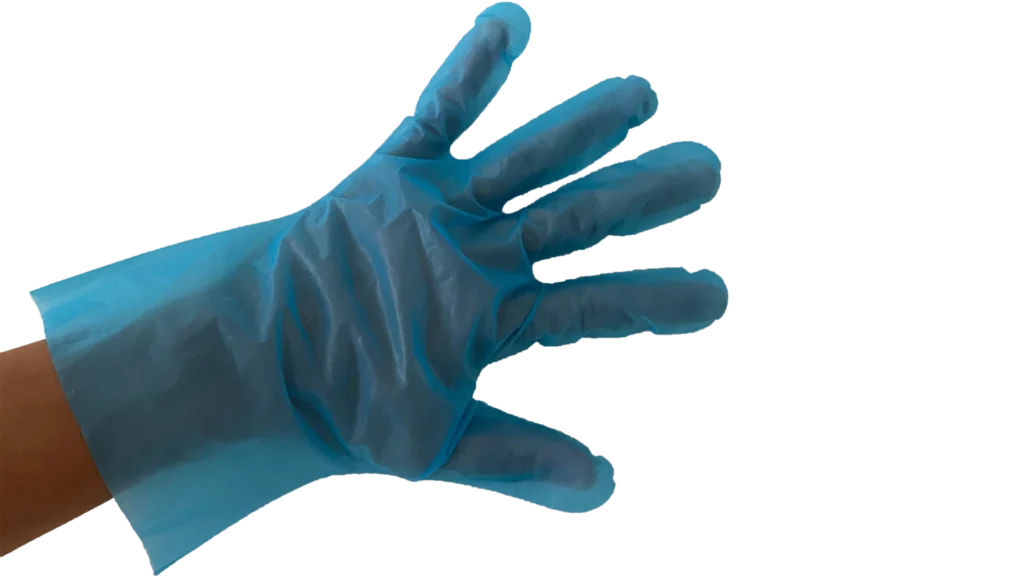
TPEグローブの完全ガイドを発見しましょう。用途、利点、重要な考慮事項を含め、異なるタイプ、製造プロセス、TPEグローブを選ぶ際に考慮すべき主要な要素について学んでください。
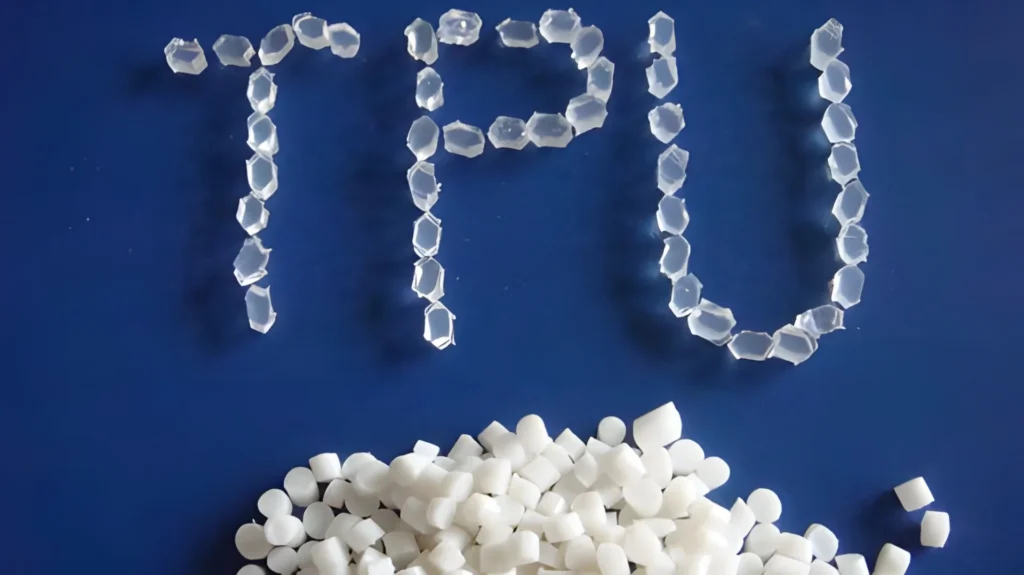
車輌や医療分野など、TPU素材の多様な用途を探求してください。TPUが様々な分野で提供する適用例と利点について学んでください。

ニトリルとビニルの両方を凌駕するグローブをお探しですか?優れた快適性、強固な突き刺し抵抗性、そして本物の持続可能性を持つテルモプラストポリウレタン(TPU)グローブを発見してください。なぜそれらが手袋保護の未来であるかを知りましょう。
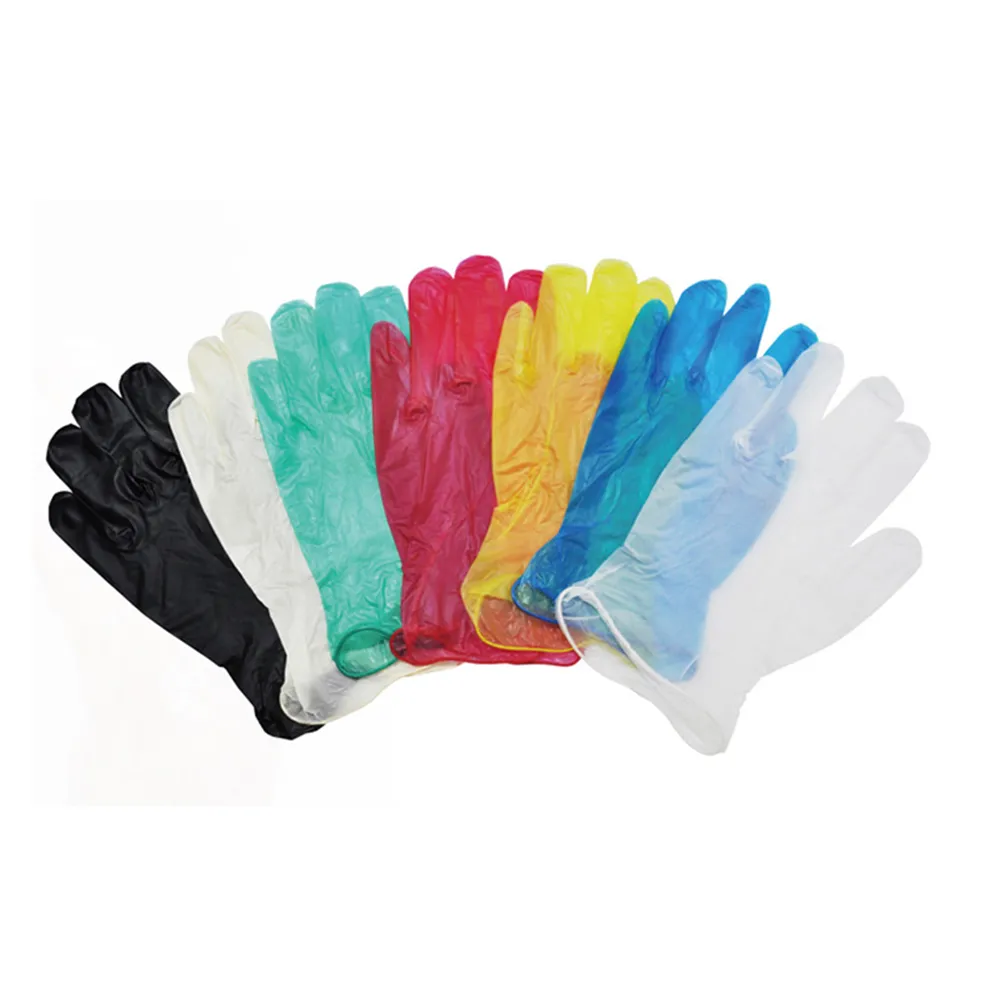
Glove Grades Medical/Exam Grade: Non-sterile, powder-free gloves meeting FDA requirements for chemical and puncture resistance. Used for non-surgical medical exams and procedures. Industrial Grade: For non-medical environments without bodily fluids or contaminants. Food Grade: Approved for food prep, handling, and light-duty tasks. Not intended for prolonged use. Powder vs. Powder-Free Powdered gloves use cornstarch for easier donning but can leave residue causing cross-contamination. Powder-free gloves are preferred for manufacturing and food service to avoid contamination. Thickness Measured in mils (1 mil = 0.001 inches) or grams. Thinner (<3 mils) for food prep, thicker (>5 mils) for heavy-duty tasks. 8-13 mils common for EMS and industrial use. Textured Grips Rougher texture […]
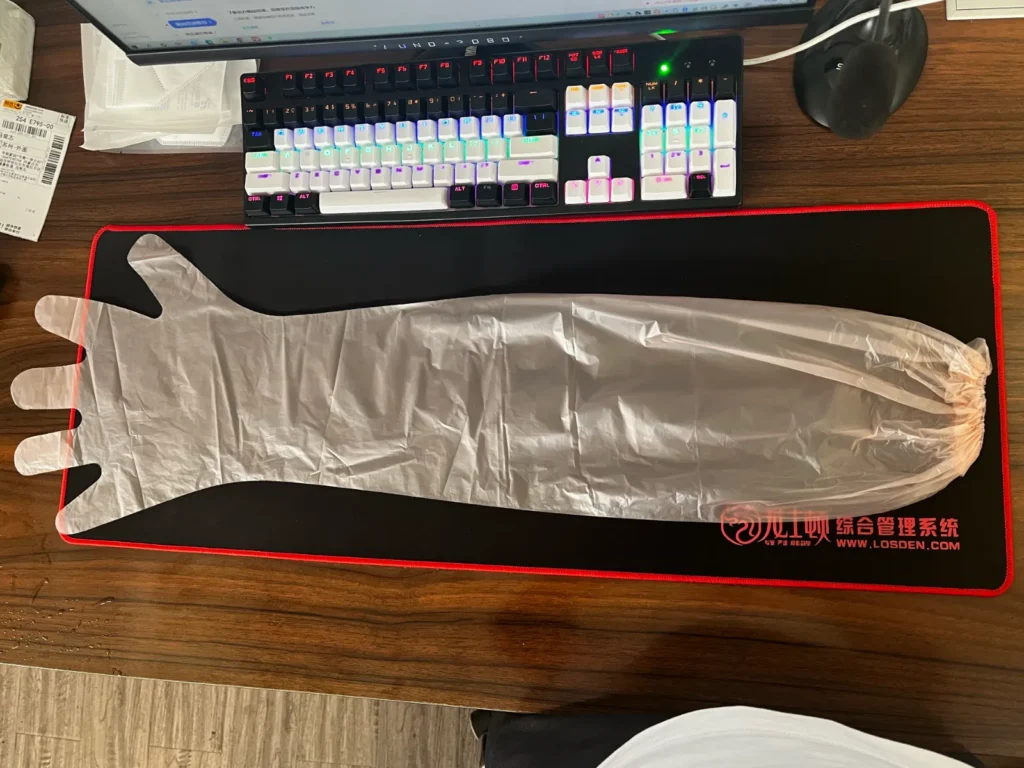
Introduction: Shoulder length plastic gloves have become increasingly popular in a variety of industries and professions, such as veterinary medicine, food service, and industrial settings. These gloves are designed to provide extended protection to the wearer’s arms, as well as the hands and fingers. However, the use of shoulder length plastic gloves has been subject to some debate, with concerns about their effectiveness, safety, and environmental impact. In this essay, we will explore the advantages and disadvantages of shoulder length plastic gloves, and analyze whether or not they are a suitable choice for different applications. Advantages: The primary advantage of shoulder length plastic gloves is that they provide extended protection […]
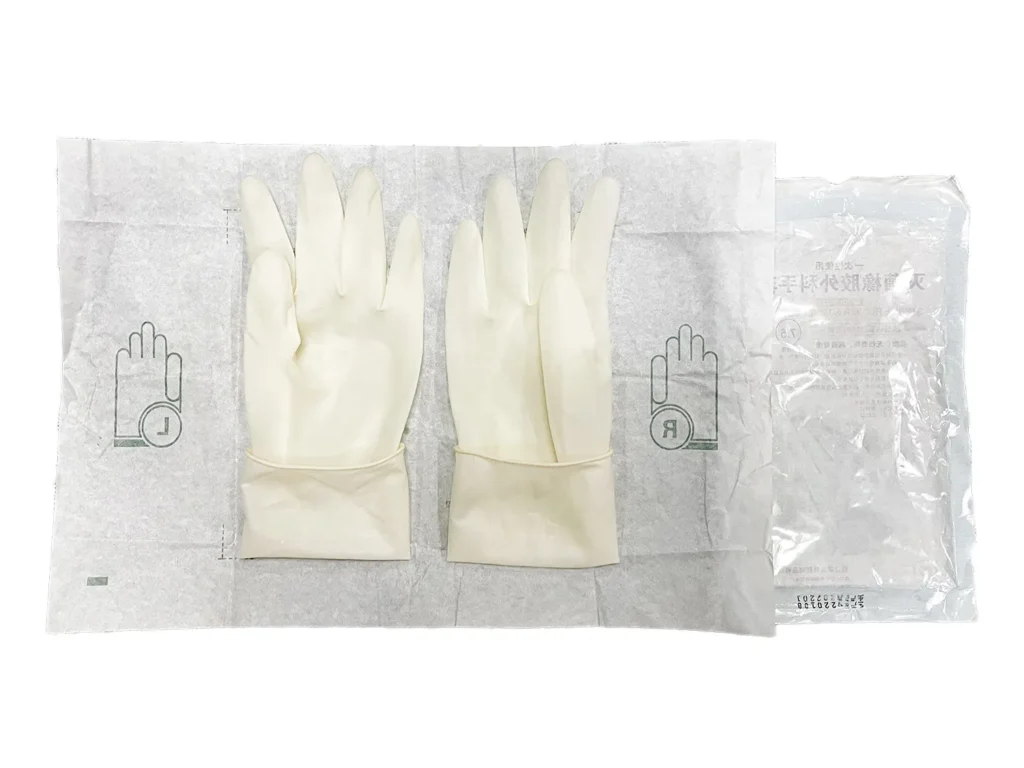
Introduction Sterile Latex Surgical Gloves are a cornerstone in the medical field, known for their strong tear resistance, exceptional elasticity, and softness. These gloves offer not just a biological barrier but also a superior fit, comfort, dexterity, and flexibility, making them an optimum choice for general surgical operations. Why Choose Sterile Latex Surgical Gloves? Unmatched Tear Resistance: One of the standout features of these gloves is their strong tear resistance. This makes them incredibly reliable during surgical procedures where the integrity of the glove is crucial. Effortless Comfort and Flexibility: The gloves are designed to provide an effortless, comfortable fit. Their elasticity and softness contribute to superior dexterity and flexibility, […]

Introduction Have you ever wondered how nitrile gloves, known for their durability and versatility, are made? Understanding the manufacturing process of these gloves is crucial, as it significantly impacts their quality and performance. In this comprehensive guide, we’ll delve into the science and steps involved in producing nitrile gloves, helping you make an informed choice for your specific needs. What is Nitrile? Nitrile is a synthetic rubber material, specifically a copolymer of butadiene and acrylonitrile. This unique composition grants nitrile gloves their notable features. Butadiene contributes to the gloves’ flexibility and puncture resistance, while acrylonitrile enhances their chemical resistance. How Do Nitrile Gloves Differ from Latex and Vinyl Gloves? Nitrile […]